
What Are the Latest Artisanal Chocolate Trends?
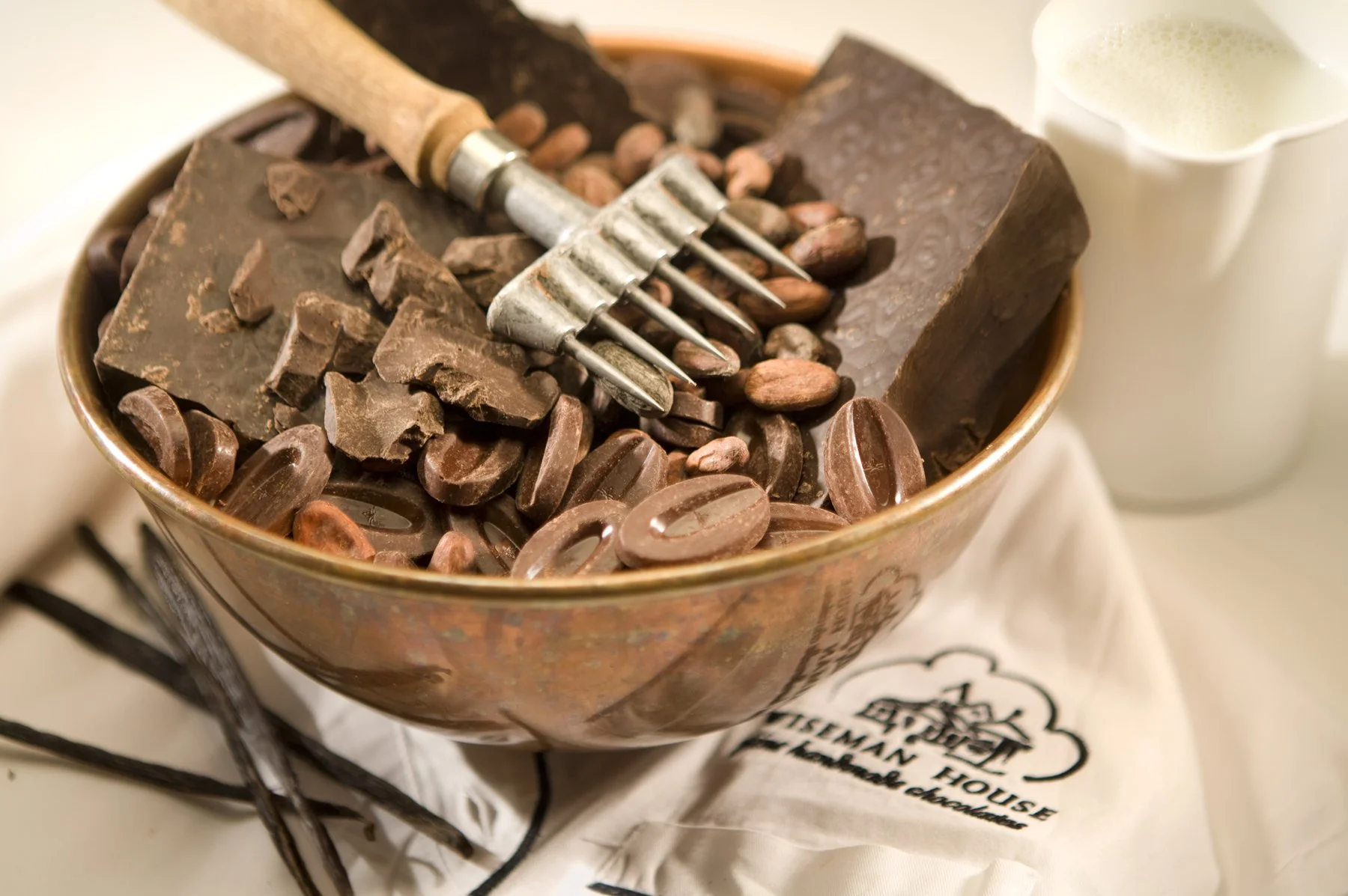
Exploring the Latest Artisanal Chocolate Trends in 2025
Artisanal chocolate trends continue to evolve as consumers crave authenticity, sustainability, and unforgettable flavor experiences. In 2025, the world of handcrafted chocolate is more dynamic than ever. Chocolate lovers are looking beyond simple indulgence. They want to understand where their chocolate comes from, how it is created, and what makes it truly exceptional. The rise of conscious consumerism, paired with renewed appreciation for craftsmanship, has fueled incredible innovation across the artisanal chocolate landscape. From thoughtful sourcing to imaginative flavor combinations, small batch chocolatiers are shaping a future that celebrates both creativity and responsibility. Below, we explore the latest movements that are redefining fine chocolate and highlighting what makes modern chocolate makers stand out.
How Artisanal Chocolate Makers Are Redefining Flavor and Craft
The artisanal chocolate world has always emphasized quality and attention to detail, but in 2025, chocolate makers are elevating their craft even further. Today, they prioritize transparency, ethical practices, and inventive techniques that enhance the natural characteristics of cacao. Consumers are increasingly drawn to brands that showcase skill and artistry, and chocolatiers are rising to meet this expectation with unique offerings that merge tradition with innovation. Rather than relying solely on classic European-style methods, many artisans now explore global influences, sustainable agriculture, and complex flavor pairings to tell richer stories through their chocolate.
Why “Bean-to-Bar” Is Leading Artisanal Chocolate Trends
One of the most significant movements shaping the industry is the growing popularity of bean-to-bar chocolate. This approach allows artisans to oversee every stage of production, from sourcing raw cacao to crafting the final bar. The result is a chocolate that reflects both the terroir of the cacao beans and the skill of the maker. Bean-to-bar continues to dominate artisanal chocolate trends because it appeals to consumers seeking authenticity and connection. People increasingly want to know how their chocolate is made and who is making it. Bean-to-bar operations provide this transparency by maintaining direct relationships with farmers and handling the entire production process in-house. This level of control ensures consistent quality and allows chocolatiers to experiment with roasting profiles, grinding methods, and natural sweeteners. In addition, bean-to-bar producers highlight the diversity of cacao by showcasing single-origin bars, each offering distinct notes influenced by climate, soil, and growing practices. These chocolates often feature tasting notes similar to those found in fine wine or specialty coffee, helping consumers appreciate cacao as a complex agricultural product. As awareness grows, more chocolate enthusiasts are embracing bars made from specific regions like Madagascar, Ecuador, or Tanzania because they offer unique flavor journeys that mass-produced chocolate simply cannot replicate.
How Ethical Sourcing Impacts Artisanal Chocolate Production
Ethical sourcing remains a cornerstone of modern artisanal chocolate. As consumers become more informed about the challenges facing cacao farmers, including low wages and unstable markets, they seek chocolate crafted with integrity and fairness. In 2025, transparency in sourcing is more important than ever. Many chocolatiers are moving beyond standard certifications and building direct trade relationships that ensure farmers receive fair compensation and support. Direct trade allows chocolate makers to actively participate in developing sustainable farming communities. They can visit farms, understand the conditions in which the cacao is grown, and collaborate on improvements that lead to higher-quality crops. This relationship-driven model benefits everyone. Farmers gain financial stability and resources to improve their practices, while chocolate makers receive exceptional beans grown with care. Consumers also play a vital role. They increasingly expect brands to share information about their supply chains, including how farmers are paid and what environmental standards are in place. This shift toward socially responsible chocolate is shaping the future of the industry and encouraging more brands to commit to transparency. Ethical sourcing also intersects with environmental sustainability. Cacao farming is deeply connected to ecological health, and many artisans support agroforestry initiatives, organic growing methods, and regenerative agriculture. These efforts help preserve biodiversity, improve soil quality, and reduce the environmental impact associated with conventional farming. When consumers purchase ethically sourced chocolate, they are supporting a global ecosystem that values farmers, communities, and the planet.
Emerging Flavor Profiles in Fine Chocolate Creations
As the artisanal chocolate movement grows, so does the appetite for bold and imaginative flavors. In 2025, chocolatiers are pushing boundaries and creating flavor experiences that surprise and delight. While traditional flavors like sea salt caramel and raspberry truffle remain beloved, many artisans are exploring more adventurous combinations that blend cultural inspiration with culinary innovation. One of the most notable flavor trends is the rise of botanical and floral infusions. Ingredients such as lavender, elderflower, hibiscus, and jasmine pair beautifully with cacao’s natural bitterness and complexity. These delicate notes create chocolates that feel elevated and sophisticated. Spices from around the world are also gaining popularity. Cardamom, saffron, turmeric, and chili peppers are being used to add warmth and depth, creating bars that balance sweetness with subtle heat. Global influence continues to inspire chocolatiers. Asian ingredients like yuzu, matcha, and black sesame are appearing more frequently, offering citrus brightness or nutty richness that complements fine chocolate. In Latin American-inspired creations, flavors such as mezcal, cinnamon, guava, and dulce de leche bring cultural depth and nostalgia to each bite. Textural experimentation is another growing trend. Chocolatiers are incorporating crunchy elements such as toasted quinoa, cacao nibs, crisped rice, and caramelized nuts to enhance the sensory experience. Texture-driven bars offer contrast and dimension that appeal to consumers looking for something beyond smooth, traditional chocolate. Additionally, artisans are embracing fermented and savory elements. Ingredients like miso, soy sauce, and cheese-inspired profiles may sound unusual, but when used thoughtfully, they introduce umami richness that elevates chocolate into unexpected territory. These creations challenge the palate and showcase the versatility of cacao as a culinary ingredient.
The Future of Artisanal Chocolate: Sustainability and Innovation
Looking ahead, the artisanal chocolate industry will continue to evolve in ways that prioritize both quality and responsibility. Sustainability is no longer an optional conversation; it is central to the future of chocolate. Consumers want to support brands that prioritize environmental stewardship, and chocolatiers are responding with packaging innovations, reduced waste practices, and energy-efficient production methods. Compostable or recyclable packaging materials are becoming standard. Many brands are shifting away from plastic and investing in paper-based or plant-based alternatives that align with eco-friendly values. Beyond packaging, artisans are also experimenting with more sustainable sweeteners such as coconut sugar, honey, or date syrup, which offer lower environmental impact while adding unique flavor complexity. Technological innovation is influencing the craft as well. Precision roasting machines, improved fermentation techniques, and advanced flavor analysis tools help chocolate makers refine their creations with remarkable accuracy. These innovations allow artisans to highlight subtle notes in cacao and craft chocolates that feel both modern and timeless. The rise of vegan and dairy-free chocolate options is also shaping the future. As dietary preferences shift, chocolatiers are finding new ways to create rich, creamy textures without traditional dairy. Ingredients like oat milk, coconut milk, and nut-based creams provide silky alternatives that satisfy consumers who prefer plant-based choices without compromising flavor. Ultimately, the future of artisanal chocolate is defined by makers who value creativity, transparency, and sustainability. They are committed to honoring the origins of cacao while pushing the boundaries of what chocolate can be. For consumers, this means endless opportunities to explore new flavors, support ethical practices, and indulge in chocolate that tells a meaningful story.
If you are ready to experience the best of what artisanal chocolate has to offer, explore the handcrafted creations from Wiseman House Chocolates. We offer delicious chocolate that is right for any occasion. Shop online for your chocolate today.