
How Can You Craft Chocolate Dessert Plating Ideas?
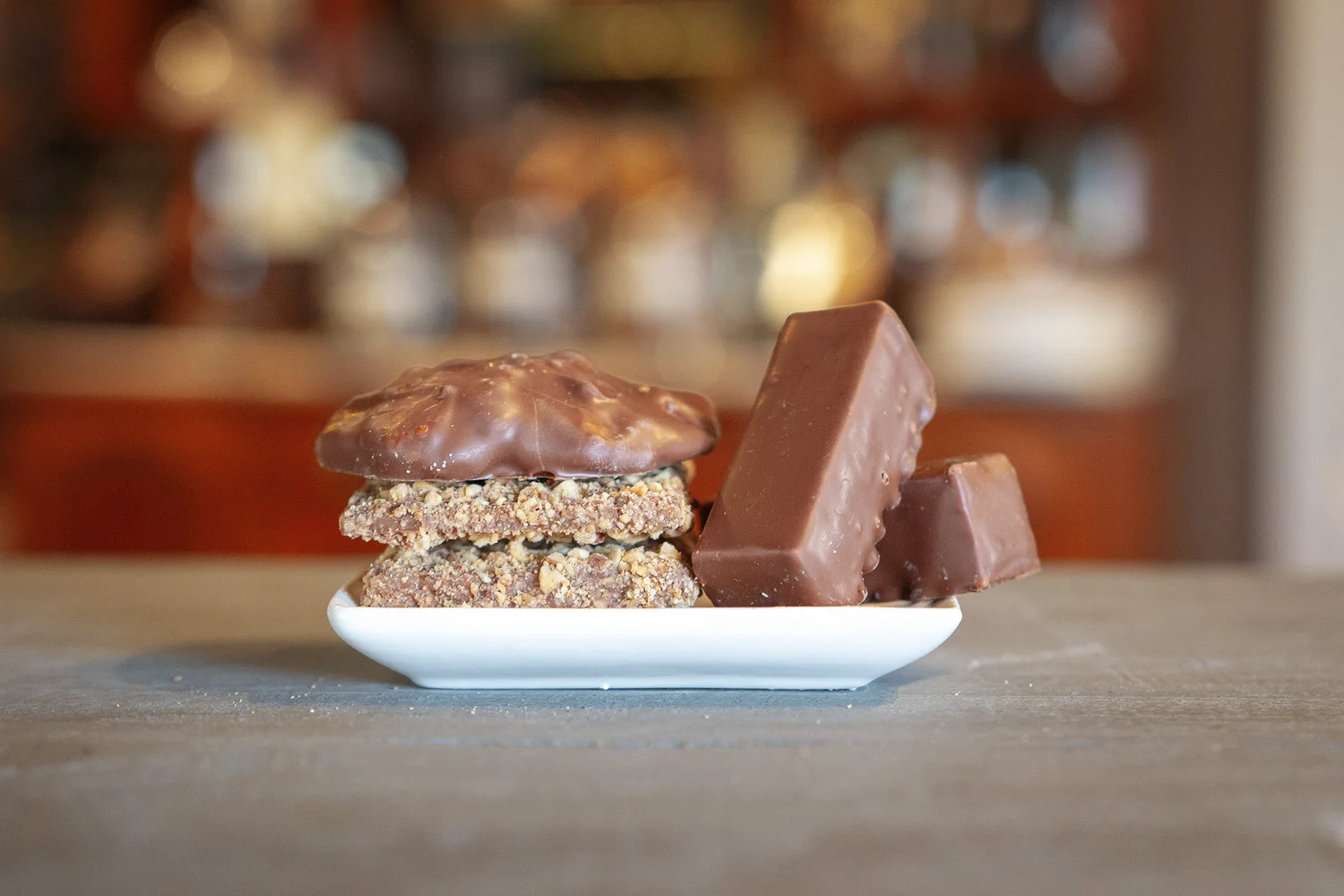
Presentation can transform a simple dessert into a work of art, and when it comes to creating memorable plates, few ingredients are as versatile or elegant as chocolate. From silky drizzles to intricate shards, chocolate offers endless possibilities for chefs and home bakers alike to elevate their creations. If you’ve been looking for chocolate dessert plating ideas that will wow your guests, this guide will help you explore a range of artistic approaches that balance flavor, texture, and visual appeal.
Stunning Chocolate Dessert Plating Ideas to Try
Chocolate plating isn’t just about taste; it’s about creating a visual experience that makes your guests stop and admire before taking that first bite. Start with a clean, neutral-colored plate that allows the dessert to stand out. White plates, in particular, make rich chocolate tones pop and help highlight the intricate details of your design.
One of the simplest yet most striking techniques involves chocolate drizzles. Melted chocolate can be lightly poured over a dessert or artistically flicked across the plate using a spoon or squeeze bottle. Dark chocolate creates a bold contrast, while white or milk chocolate adds warmth and softness. Layering drizzles of different types can create depth and movement, giving your plating a dynamic feel.
Another popular approach involves chocolate shards. These delicate, irregular pieces add texture and height to the plate. To make them, spread melted chocolate thinly on parchment paper, allow it to set slightly, then break it into abstract pieces. Arrange them vertically to create dramatic angles or layer them horizontally for a more subtle, elegant look.
For those who want to experiment with a more sculptural effect, chocolate curls and garnishes are an excellent choice. Use a vegetable peeler to shave curls from a block of tempered chocolate. They look stunning piled high on top of a mousse or sprinkled across a torte. You can also pipe chocolate into intricate shapes, freeze them briefly, and use them as decorative accents.
Finally, consider edible chocolate art. By combining chocolate with other ingredients like fruit purees or gold leaf, you can create painterly effects or luxurious finishes. The key is to balance artistry with practicality; the dessert should be as delightful to eat as it is to look at.
Balancing Colors and Textures on the Plate
The best chocolate dessert plating ideas go beyond decoration; they harmonize colors, textures, and flavors. Chocolate, with its rich brown tones, can serve as both a base and a highlight for more colorful components. Pairing it with bright fruits like raspberries, oranges, or passion fruit creates a vibrant contrast that pleases both the eye and the palate.
Start by thinking about your color palette. Too many competing hues can look chaotic, while too few can feel dull. Aim for three or four complementary shades. Dark chocolate pairs beautifully with reds and golds, while white chocolate works well with pastels and citrus tones. Milk chocolate is versatile enough to bridge both spectrums.
Texture also plays a crucial role. When plating desserts, aim to incorporate a variety of sensations, such as smooth, crunchy, airy, and creamy. For example, you might pair a dense chocolate cake with a light whipped ganache and a crisp tuile. The contrast in textures creates visual intrigue and enhances the eating experience.
A good rule of thumb is to include at least one element that provides structure or height. This could be a shard, tuile, or even a scoop of ice cream balanced artfully on a crumble base. Next, add a smooth or glossy element, like a chocolate sauce or glaze, to bring cohesion. Finally, finish with a fresh garnish, such as a mint leaf or a sprinkle of cocoa powder, to add color and freshness.
Using Sauces, Curls, and Decorative Elements
Chocolate plating often comes alive through the use of sauces, curls, and other decorative touches that add both flavor and flair. Sauces are not just functional; they are artistic tools that can tie the entire plate together. Curls and garnishes, meanwhile, bring motion, height, and sophistication. When used thoughtfully, these elements elevate even the simplest dessert into something unforgettable.
Creating Chocolate “Paint” with Purees
One of the most exciting trends in chocolate dessert plating ideas involves using purees or coulis as edible paint. To create this effect, blend a fruit puree, caramel, or chocolate sauce until smooth. Then, use a brush or the back of a spoon to spread it across the plate in sweeping strokes. The result is a modern, artistic background that frames your dessert beautifully.
You can also layer purees for a multidimensional look. For instance, a dark chocolate smear can serve as a base, with a contrasting raspberry or mango coulis added in a swirl or dot pattern on top. These accents add bursts of color and acidity that balance the richness of the chocolate.
If you’re plating multiple desserts, consistency is key. Each plate should tell a visual story that ties the elements together, whether through symmetry, repetition, or contrast. Remember, less can often be more; focus on a few well-executed strokes rather than overcrowding the plate.
Shards vs. Curls: Which to Use When
Both chocolate shards and curls offer elegance, but they create very different effects. Shards are bold and angular, adding drama and structure. They work beautifully when you want to give your dessert a sense of height and movement. Imagine a chocolate tart topped with tall, jagged shards that catch the light, instantly sophisticated.
Curls, on the other hand, are softer and more romantic. They bring a sense of motion and delicacy to the plate. A handful of curls cascading down the side of a mousse or stacked in a neat pile on top of a cupcake can create a luxurious, inviting finish.
When deciding between shards and curls, consider the overall mood of your dessert. For a modern, architectural presentation, shards are ideal. For something whimsical or classic, curls are your best choice. You can even combine the two for added contrast; sharp shards juxtaposed with delicate curls can make a dessert feel multidimensional and balanced.
Garnishing with Fruit, Flowers, and Nuts
Garnishes are the final touch that completes your chocolate dessert plating masterpiece. They provide color, freshness, and a hint of surprise. Fresh fruit is one of the most popular choices for chocolate desserts, as it adds natural sweetness and acidity that complement the richness of cocoa. Berries, citrus segments, and cherries work especially well.
Edible flowers are another elegant option. They add sophistication and a splash of unexpected color. When using flowers, choose varieties that are safe to eat and that align with the flavor profile of your dessert. Violets, pansies, and marigolds are all beautiful and mild enough to pair with chocolate.
Nuts bring a contrasting crunch and earthy undertone that can help balance the sweetness of the dessert. Toasted almonds, hazelnuts, or pistachios scattered lightly over the plate can enhance both texture and aroma. For an extra touch of luxury, consider dusting them with cocoa powder or gold luster dust.
When placing garnishes, think about proportion and flow. Your goal is to guide the eye naturally across the plate. Start with your main dessert as the focal point, then add smaller accents around it. Each element should feel intentional, as if it belongs exactly where it is.
Bringing It All Together
Crafting chocolate dessert plating ideas is both an art and a science. It’s about finding the perfect balance between creativity, technique, and restraint. Every drizzle, curl, and garnish plays a role in telling a story, one that delights the senses and leaves a lasting impression.
Begin with high-quality chocolate as your foundation. The better your ingredients, the more refined your final presentation will be. Wiseman House Chocolates, for instance, offers handcrafted chocolates that are perfect for both eating and decorating. Their rich, velvety texture makes them ideal for melting, drizzling, or shaping into elegant accents.
Remember, the key to success lies in practice. Try sketching out your plating concepts beforehand or experiment with different plate shapes and color combinations. Photography can also be a helpful tool; snap pictures of your plated desserts to see how they appear from different angles and under various lighting conditions.
With time, you’ll develop your own unique style, one that reflects your culinary flair and personality. Whether you prefer minimalist modern designs or ornate classic presentations, the possibilities are endless when chocolate is your medium.
Elevate Every Occasion with Wiseman House Chocolates
Chocolate dessert plating ideas allow you to turn every dish into an unforgettable experience. From silky drizzles and bold shards to delicate curls and edible flowers, each detail adds dimension, texture, and beauty. By thoughtfully balancing colors and textures and incorporating artistic touches like sauces and purees, you can make every plate a true masterpiece.
Ready to take your chocolate desserts to the next level? Wiseman House Chocolates offers delicious, artisan-crafted chocolate that’s perfect for every occasion. Whether you’re a professional chef or a passionate home baker, our premium chocolates provide the perfect foundation for your most stunning creations.
Shop online today and discover how extraordinary your desserts can be.